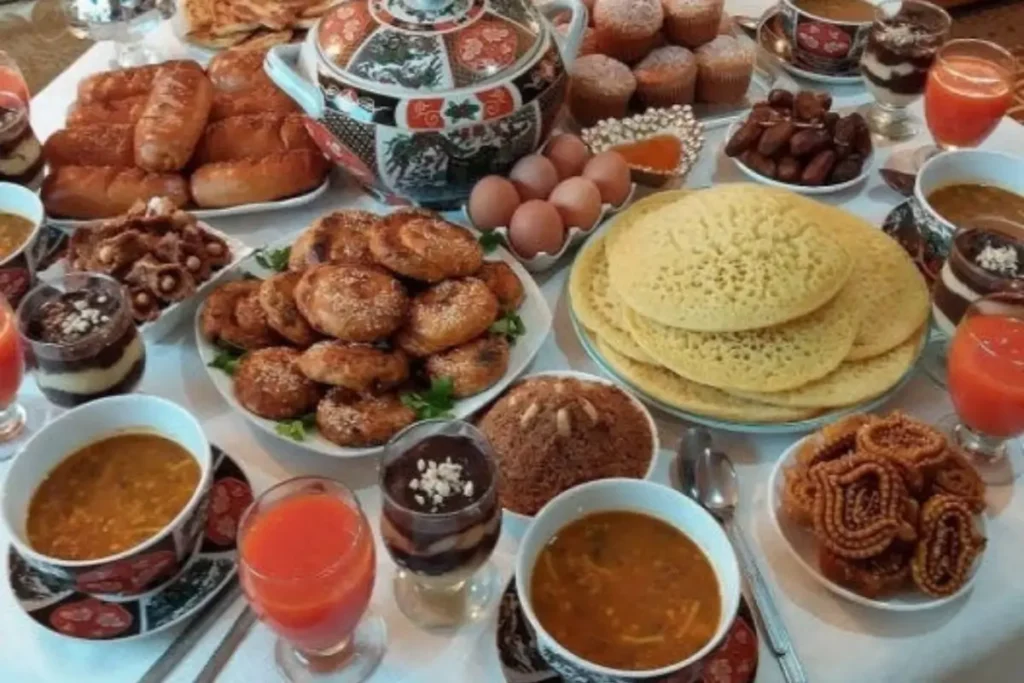
Few cuisines in the world captivate the senses the way Moroccan cuisine does. The moment you step into a Moroccan kitchen or wander through a food market in Marrakech, you are greeted with the rich aroma of saffron, cumin, cinnamon, and freshly baked bread. The food of Morocco is more than sustenance—it is a story told through spices, techniques, and centuries of cultural exchange.
In The Ultimate Guide to Moroccan Cuisine, we will explore the depth of Moroccan food, from its ancient Amazigh roots to the fragrant tagines enjoyed across the globe today. You’ll learn about signature dishes, unique ingredients, and even how to cook an authentic meal in your own kitchen. Whether you are a traveler, a food lover, or a curious home cook, this is your ultimate journey into the flavors of Morocco.
Table of Contents
History & Cultural Influences
The history of Moroccan cuisine is a fascinating mosaic of civilizations and migrations. Each empire and trading route left its flavor on the Moroccan table.
- Amazigh (Berber) roots: The indigenous people of North Africa contributed foundational techniques like slow-cooked stews, barley-based dishes, and preserved foods that could withstand desert conditions.
- Arab influence: When Arab traders and conquerors arrived in the 7th century, they introduced new spices, dried fruits, and the concept of combining sweet and savory flavors.
- Andalusian heritage: After the fall of Al-Andalus, waves of Muslim and Jewish refugees brought sophisticated recipes, pastries, and an appreciation for refined cooking.
- Mediterranean and French touches: Later, colonial presence and Mediterranean proximity introduced tomatoes, potatoes, coffee, and European desserts that blended into Moroccan dining.
The result is a cuisine that feels timeless yet dynamic—a true meeting of continents and cultures on a plate. Learn about Morocco’s recognized traditions, including cuisine, crafts, and cultural practices : UNESCO – Moroccan Cultural Heritage
Geographical & Regional Variations
Morocco’s geography is as diverse as its food. From the coastal cities to the Atlas Mountains and the Sahara Desert, each region has distinctive culinary traditions.
- Northern Morocco: With close ties to Spain and the Mediterranean, dishes here lean heavily on olives, seafood, and preserved lemons. Tangier is famous for grilled sardines and anchovy-based dishes.
- Fez & Central Morocco: Often called the cultural heart of Moroccan cooking, Fez is where refined recipes like pastilla (pigeon pie) and elaborate feasts took shape.
- Atlas Mountains: High-altitude villages depend on barley, beans, root vegetables, and lamb. Stews are hearty, flavored with wild herbs.
- Southern Morocco & Sahara: Closer to the desert, food features dates, camel meat, and heavily spiced tagines that reflect nomadic survival traditions.
- Marrakech & urban hubs: Bustling cities celebrate street food—briouats (savory pastries), grilled kebabs, and fresh juices from market stalls.
This regional variety makes Moroccan cuisine endlessly rich and adaptable.
Key Ingredients & Spices
Spices are the heartbeat of Moroccan cooking. Rather than overwhelming a dish, they are layered carefully to create depth.
- Ras el Hanout: Literally “head of the shop,” this blend can include 20+ spices such as cardamom, cumin, cloves, nutmeg, and mace. Every spice merchant has their secret recipe.
- Cumin & coriander: Found in almost every Moroccan dish, cumin provides earthiness while coriander brightens flavors.
- Saffron: Cultivated in Taliouine, Moroccan saffron is prized worldwide for its vibrant color and aroma.
- Preserved lemons: A defining Moroccan ingredient—lemons cured in salt and brine—adding tangy depth to tagines and salads.
- Mint & fresh herbs: Mint, parsley, and cilantro are used generously for both cooking and garnishing.
- Nuts & dried fruits: Almonds, dates, prunes, raisins, and apricots are common, balancing savory meats with sweetness.
Other essentials include couscous, lentils, chickpeas, honey, olive oil, and argan oil for finishing dishes.
Cooking Techniques & Tools
Moroccan cuisine relies on age-old techniques that emphasize patience and respect for ingredients.
- Tagine cooking: Named after the conical clay pot, a tagine is both the vessel and the dish itself. It allows slow cooking over low heat, concentrating flavors.
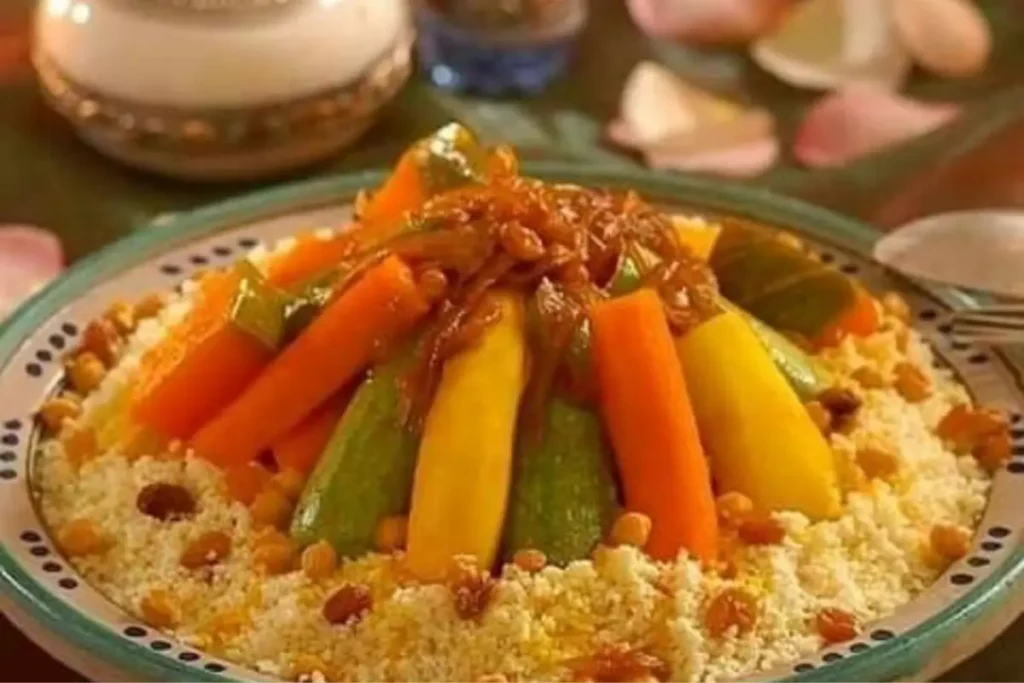
- Couscous steaming: Instead of boiling, couscous grains are steamed several times over a pot of stew to achieve a light, fluffy texture.
- Baking bread: Khobz, the round flatbread, is baked daily in communal ovens or home clay ovens. Other breads include msemen (square layered flatbread) and baghrir (spongy semolina pancakes).
- Open-fire grilling: Street vendors often grill lamb skewers or sardines over charcoal, producing smoky, irresistible aromas.
- Preservation: In hot climates, foods are preserved through salting, drying, or fermenting—techniques still in use today.
Signature Dishes of Moroccan Cuisine
No guide to Moroccan food is complete without a tour of its most iconic dishes:
- Tagine: Varieties include chicken with preserved lemons and olives, lamb with prunes, and vegetarian tagines filled with seasonal produce.
- Couscous: Often considered Morocco’s national dish, couscous is served with vegetables, chickpeas, and meat, traditionally eaten on Fridays after prayers.
- Harira: A hearty tomato-and-lentil soup, often enriched with chickpeas and lamb. It is especially popular during Ramadan to break the fast.
- Pastilla (bastilla): A luxurious pie made with layers of thin pastry, spiced meat (traditionally pigeon, now chicken or seafood), almonds, and a dusting of cinnamon sugar.
- Zaalouk: A smoky eggplant and tomato dip flavored with garlic and paprika.
- Taktouka: A salad of roasted peppers and tomatoes, similar to ratatouille but with Moroccan spices.
- Briouats: Small triangular pastries filled with meat, cheese, or vegetables, fried or baked.
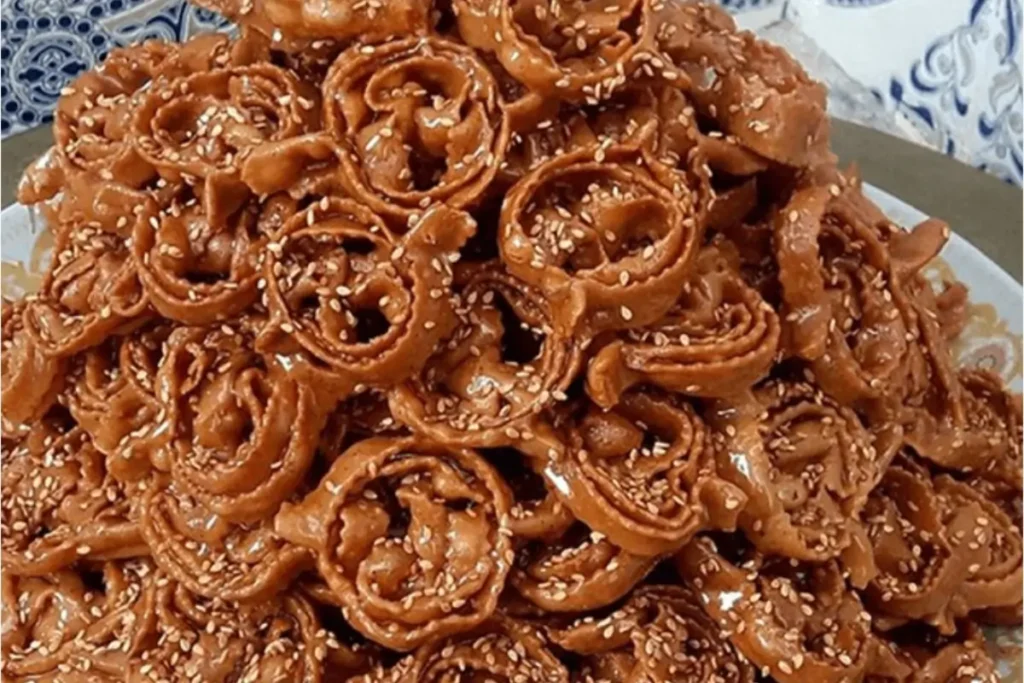
- Sweets: Chebakia (honey-coated sesame cookies), gazelle horns (almond-filled pastries), and sellou (a sesame and almond energy mix) are festive favorites.
Recipes You Can Try at Home
Chicken Tagine with Preserved Lemons and Olives
Ingredients:
- 1 whole chicken (cut into pieces)
- 2 preserved lemons (quartered)
- 1 cup green olives
- 2 onions, finely chopped
- 3 cloves garlic, minced
- 1 tsp ground ginger
- 1 tsp turmeric
- 1 tsp cumin
- 3 tbsp olive oil
- Fresh coriander & parsley, chopped
- 1 cup chicken broth
Instructions:
- Heat olive oil in a tagine or heavy pot.
- Add onions and garlic, sauté until fragrant.
- Add chicken pieces, ginger, turmeric, and cumin. Brown lightly.
- Add preserved lemons, olives, and broth. Cover and simmer for 45–60 minutes until chicken is tender.
- Garnish with fresh herbs and serve with bread.
Vegetarian Couscous
Ingredients:
- 2 cups couscous
- 3 carrots, sliced
- 2 zucchini, chopped
- 1 turnip, cubed
- 1 cup chickpeas (cooked)
- 1 onion, chopped
- 1 tsp paprika
- 1 tsp cinnamon
- 1 tsp ras el hanout
- 3 tbsp olive oil
Instructions:
- In a pot, sauté onion with spices. Add vegetables and cover with water. Simmer until tender.
- Steam couscous grains over the pot in a couscoussier or steamer basket. Repeat steaming 2–3 times for fluffiness.
- Fluff couscous with olive oil, then serve topped with vegetables and broth.
Dining Culture in Morocco
Food in Morocco is more than nutrition—it is central to community life. Meals are shared from a communal dish, often eaten by hand with bread.
- Meal structure: Breakfast might include bread with olive oil, cheese, or honey, accompanied by mint tea. Lunch is the main meal, often featuring a tagine or couscous. Dinner is lighter, sometimes just soup or bread with dips.
- Mint tea culture: Known as “Moroccan whisky,” sweet green tea infused with fresh mint is served at every occasion. Pouring the tea from a height is a mark of hospitality.
- Festive occasions: Ramadan, Eid, weddings, and religious celebrations feature lavish spreads, special pastries, and communal feasting.
Modern Adaptations & Global Influence
Moroccan cuisine has traveled far beyond North Africa. In Paris, London, and New York, Moroccan restaurants serve both traditional tagines and fusion dishes.
- Vegetarian & vegan versions: Increasingly popular worldwide, showcasing Morocco’s vegetable-rich stews.
- Health-conscious cooking: Reduced sugar in pastries, leaner meats, and gluten-free couscous options.
- Fusion cuisine: Chefs experiment with Moroccan spices in sushi, burgers, and even cocktails.
Ingredient Sourcing & Shopping Tips
If you live outside Morocco, many traditional ingredients are still within reach.
- Spices: Specialty shops and online retailers sell ras el hanout, saffron, and harissa.
- Preserved lemons: Easily made at home by curing lemons in salt and lemon juice for 3–4 weeks.
- Substitutions: If argan oil is unavailable, olive oil is an excellent substitute. Apricots can replace prunes, and chicken can stand in for lamb.
- Storage tips: Store spices in airtight containers away from sunlight to preserve freshness.
Nutrition & Health
Moroccan food is naturally balanced. Tagines combine protein, vegetables, and healthy fats, while spices add antioxidant and anti-inflammatory benefits.
- Herbs like mint and parsley support digestion.
- Legumes and grains provide plant-based protein and fiber.
- Olive and argan oils contribute heart-healthy fats.
Compared to fast food diets, Moroccan meals encourage mindful eating and variety.
Travel & Where to Eat in Morocco
Food lovers traveling to Morocco are in for a treat:
- Marrakech’s Jemaa el-Fnaa: The bustling square is a living theater of food—grilled meats, snail soup, fresh juices.
- Fez medina: A treasure trove of traditional pastries and the birthplace of pastilla.
- Essaouira: Famous for its fresh Atlantic seafood.
- Atlas villages: Home-style tagines cooked slowly in clay pots over wood fires.
Eating in Morocco is not just about food—it’s about immersion in culture, tradition, and hospitality.
Challenges & Misconceptions
Despite its popularity, Moroccan cuisine is often oversimplified abroad.
- Not just couscous and tagine: The cuisine is much broader, with soups, breads, pastries, and seafood specialties.
- Authenticity issues: Restaurants outside Morocco sometimes dilute flavors or replace ingredients, leading to misconceptions.
- Dietary concerns: While many dishes are naturally healthy, traditional Moroccan sweets are high in sugar, so balance is key.
Conclusion
Moroccan cuisine is a sensory adventure: the fragrance of spices, the warmth of communal dining, the richness of history infused into every dish. From street-side briouats to grand couscous feasts, Moroccan food bridges tradition and innovation, past and present.
The best way to understand Morocco is to taste it—whether by cooking a tagine in your own kitchen or traveling to a Moroccan medina to sip mint tea under the stars.
FAQ – The Ultimate Guide to Moroccan Cuisine
What makes Moroccan cuisine unique?
Moroccan cuisine is unique because it blends Amazigh (Berber), Arab, Andalusian, Mediterranean, and French influences. Its hallmark is the balance of sweet and savory flavors, the use of signature spices like cumin, saffron, and ras el hanout, and traditional cooking methods such as tagines and couscous steaming.
What are the most famous Moroccan dishes?
The best-known Moroccan dishes include tagine (slow-cooked stew), couscous, harira soup, pastilla (savory-sweet pie), zaalouk (eggplant salad), and Moroccan pastries such as chebakia and gazelle horns.
What is a tagine?
A tagine is both the name of a clay cooking pot with a conical lid and the dish prepared inside it. Tagines are slow-cooked stews of meat, poultry, or vegetables combined with spices, olives, dried fruit, or preserved lemons.
What is ras el hanout?
Ras el hanout means “head of the shop” in Arabic. It’s a Moroccan spice blend that can contain more than 20 different spices, such as cumin, cinnamon, cardamom, mace, nutmeg, and turmeric. Each spice merchant creates their own unique version.
How is Moroccan couscous prepared?
Traditionally, couscous is steamed multiple times in a special pot called a couscoussier, which keeps the grains fluffy and light. It is usually served with a stew of vegetables, chickpeas, and meat on top.
What are preserved lemons, and why are they important in Moroccan cooking?
Preserved lemons are lemons cured in salt and brine for several weeks until soft and intensely flavored. They add a tangy, slightly fermented taste that defines many Moroccan dishes, especially chicken tagine.
Is Moroccan food spicy (hot)?
Moroccan food is flavorful but not very hot. Spices such as cinnamon, cumin, and saffron provide fragrance and depth rather than heat. For those who like it spicier, condiments like harissa (a chili paste) are served on the side.
What drinks are popular in Morocco?
The most famous Moroccan drink is mint tea, often called “Moroccan whisky.” It’s made from green tea, fresh mint leaves, and sugar, and served with a traditional pouring ritual. Fresh juices, coffee, and buttermilk (lben) are also common.
Is Moroccan cuisine healthy?
Yes. Moroccan meals emphasize whole grains, legumes, fresh vegetables, olive oil, herbs, and moderate portions of meat, making them balanced and nutrient-rich. However, traditional pastries and sweets are often high in sugar and best enjoyed in moderation.
Are there vegetarian or vegan Moroccan dishes?
Absolutely. Many Moroccan dishes are naturally vegetarian, such as vegetable tagines, zaalouk, taktouka, and lentil stews. Vegan adaptations of couscous and pastilla are also popular worldwide.
What role does food play in Moroccan culture?
Food in Morocco is central to family, hospitality, and tradition. Meals are shared communally, often eaten from the same dish with bread. Special dishes accompany celebrations, religious holidays, and family gatherings.
Where can I try authentic Moroccan food?
You can enjoy authentic Moroccan cuisine by traveling to Morocco—especially cities like Marrakech, Fez, and Essaouira—or by visiting Moroccan restaurants abroad. Home cooking classes and food tours are also popular with visitors.