Table of Contents
Introduction: More Than a Dish, a Tradition
Imagine the aroma of warm spices, citrusy preserved lemons, and slow-braised meat or vegetables rising from a conical clay pot. That is the magic of the Moroccan tagine — a dish and a cooking vessel that symbolize comfort, heritage, and hospitality. In Moroccan culture, the tagine is not just dinner; it is a ritual of gathering, sharing, and savoring flavors layered slowly and thoughtfully.
For food lovers, learning how to cook a Moroccan tagine means diving into centuries of culinary wisdom, mastering spice blends, and embracing slow cooking as an art. In this guide, we’ll explore the history, ingredients, equipment, techniques, and recipes that make the Moroccan tagine a timeless staple.
What Is a Moroccan Tagine?
The word tagine has two meanings:
- The dish itself — a savory, slow-cooked stew of meat, poultry, or vegetables, often paired with spices, dried fruits, nuts, and preserved lemons.
- The cooking vessel — a traditional clay pot with a wide, shallow base and a tall conical lid designed to circulate steam and keep the dish moist.
Together, they create one of the world’s most distinctive cooking traditions.
The History and Cultural Significance of Tagine
The origins of the Moroccan tagine trace back to the Berber people, North Africa’s indigenous population. Clay cooking vessels were common across ancient civilizations, but the tagine’s design is unique: the cone traps steam, condensing it back into the stew, ensuring tender meat and deep flavors with minimal water — perfect for arid climates.
Over centuries, Moroccan cuisine blended influences from Arab, Andalusian, Ottoman, and French culinary traditions. Spices like saffron and cinnamon arrived via trade routes, while dried fruits and nuts became signature additions. Today, the tagine remains central to Moroccan hospitality, often prepared for family gatherings, weddings, and religious festivals.
The Tagine Pot: Tools for Authentic Cooking
Types of Tagine Pots
- Unglazed clay tagine: Porous, earthy flavor, traditional cooking method. Best for slow stovetop cooking at low heat.
- Glazed ceramic tagine: Easier to clean, colorful designs, often used for serving as well as cooking.
- Cast iron base with ceramic lid: Hybrid models ideal for modern kitchens — they combine durability with even heat distribution.
How to Use a Tagine Pot
- Always cook on low heat to avoid cracking.
- Use a heat diffuser if cooking on a gas or electric stove.
- Season unglazed tagines before first use by soaking and lightly oiling.
- Avoid sudden temperature changes — never place a hot tagine under cold water.
Essential Ingredients and Flavors in Moroccan Tagine
A Moroccan tagine is defined not only by technique but also by its iconic ingredients:
- Spices: ginger, turmeric, cinnamon, saffron, cumin, paprika, and ras el hanout (a complex spice mix).
- Preserved lemons: salty, tangy, citrusy — a hallmark of Moroccan cooking.
- Olives: usually green or purple, adding briny depth.
- Dried fruits: prunes, apricots, raisins, or dates, for sweet-savory contrast.
- Nuts: almonds, pine nuts, or sesame seeds, often toasted and sprinkled on top.
- Fresh herbs: cilantro and parsley to brighten the dish.
These ingredients create the signature sweet-savory balance that makes Moroccan tagine unforgettable.
Classic Moroccan Tagine Recipes
Here are some of the most beloved variations, each telling its own culinary story:
Chicken Tagine with Preserved Lemons and Olives
Perhaps Morocco’s most famous tagine, this dish balances tender chicken with the bold flavors of salty lemons and briny olives. It is often seasoned with saffron and ginger for warmth.
Lamb Tagine with Prunes and Almonds
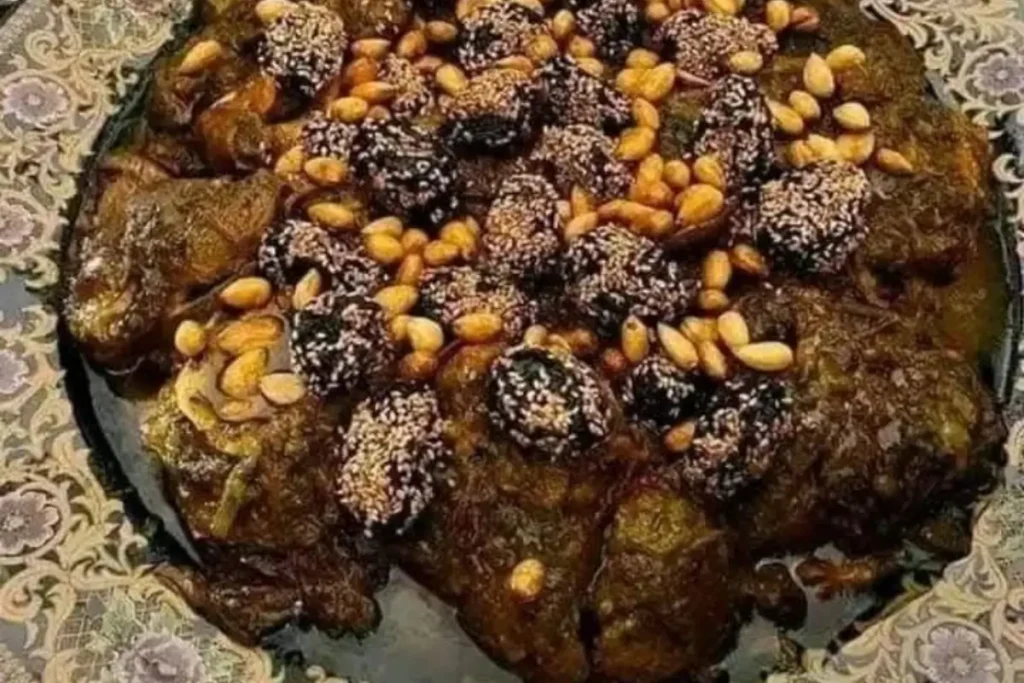
A festive dish, especially during celebrations, where lamb is slowly cooked with prunes, cinnamon, and almonds. The sweetness of the fruit contrasts beautifully with the richness of the lamb.
Kefta Tagine (Meatball Tagine)
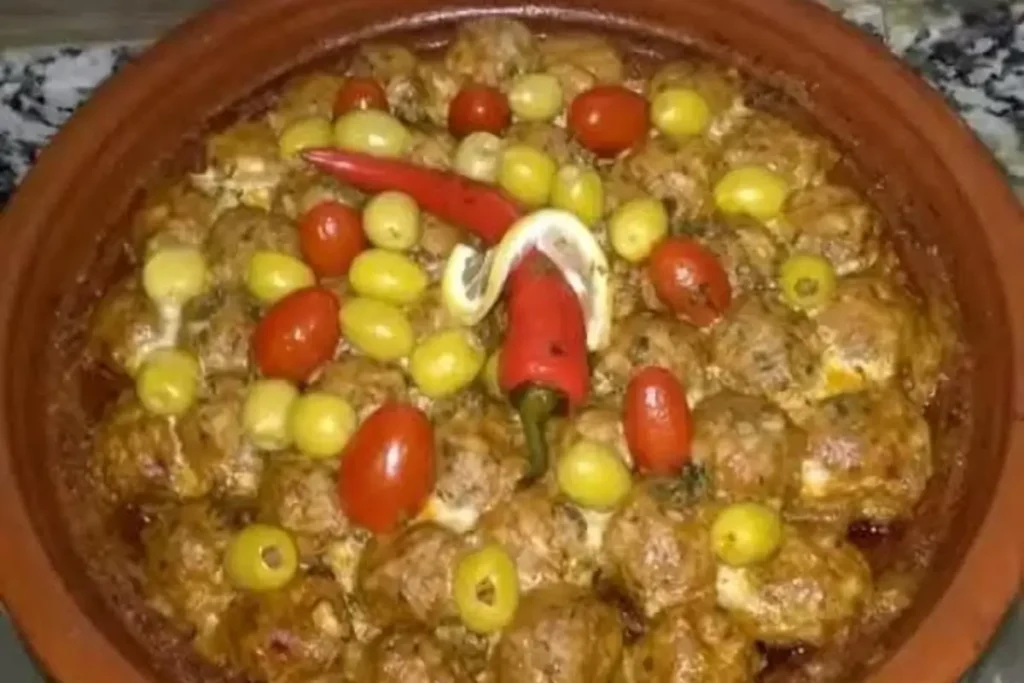
Spiced beef or lamb meatballs simmer in a tomato sauce, often topped with eggs poached directly in the dish. Comfort food at its finest.
Vegetable and Chickpea Tagine
A vegetarian favorite that layers carrots, zucchini, potatoes, and chickpeas with aromatic spices. Sometimes dried apricots or raisins are added for extra sweetness.
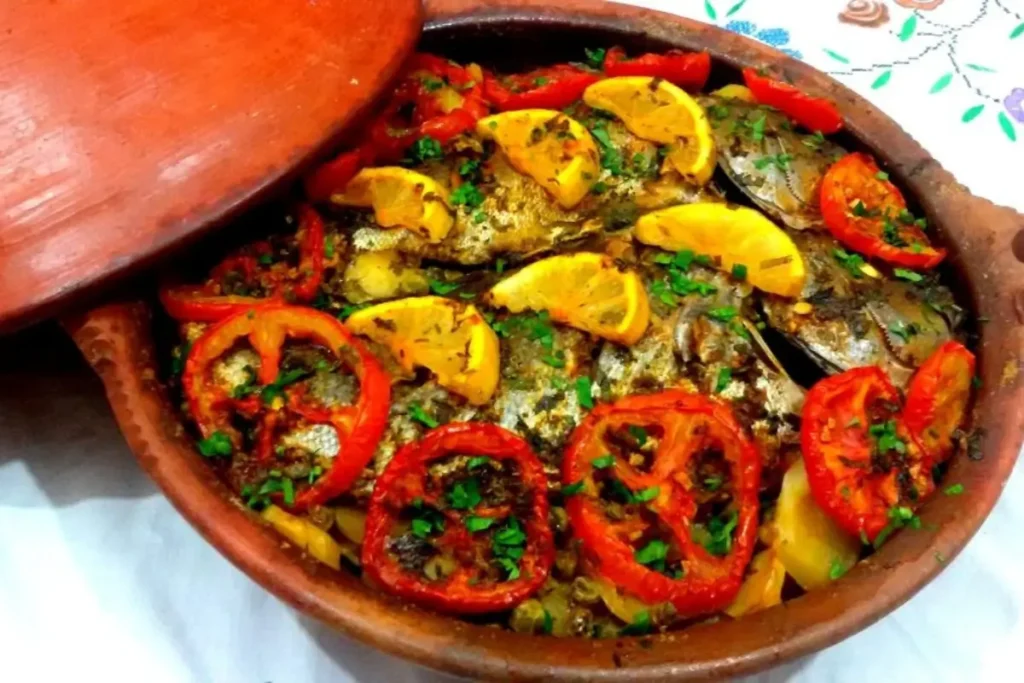
Fish Tagine with Chermoula
Coastal regions of Morocco celebrate seafood with fish tagines marinated in chermoula — a herb and spice paste made from cilantro, garlic, cumin, paprika, and lemon.
Cooking Techniques: How to Master the Tagine
Cooking a tagine is an exercise in patience and layering flavors. Here’s a step-by-step approach:
- Build the flavor base: Sauté onions, garlic, and spices in olive oil directly in the base of the tagine.
- Layer ingredients: Place meat or hearty vegetables at the bottom, add spices and herbs, then arrange softer vegetables or dried fruits on top.
- Add liquid: Only a small amount is needed (broth, water, or tomato base). The tagine’s design keeps everything moist.
- Cover and cook slowly: On low heat or in the oven. Cooking time ranges from 1 to 2 hours, depending on the protein.
- Garnish before serving: Fresh herbs, nuts, or a drizzle of argan oil add a finishing touch.
Common Mistakes and How to Avoid Them
- Using too much liquid: The conical lid recycles moisture. Add less than you would in a regular stew.
- Cooking on high heat: Risks cracking the tagine or burning the food. Always low and slow.
- Skipping browning: While not always traditional, lightly searing meat adds depth.
- Overcrowding the pot: Tagine works best with balanced layering, not overstuffing.
Vegetarian, Vegan, and Modern Adaptations
Not all tagines need meat. Modern variations cater to different diets while maintaining Moroccan authenticity:
- Vegan tagine: Chickpeas, sweet potatoes, zucchini, tomatoes, and raisins.
- Low-fat versions: Lean cuts of chicken or turkey, minimal oil.
- Gluten-free pairings: Instead of couscous, serve tagine with quinoa or rice.
These adaptations make the dish accessible to everyone while retaining its essence.
Serving Moroccan Tagine
Traditionally, tagine is served family-style, straight from the pot, with everyone gathered around the table.
Common pairings:
- Khobz (Moroccan bread): Essential for scooping the stew.
- Couscous: Light and fluffy, perfect for soaking up sauces.
- Salads: Zaalouk (eggplant salad) or taktouka (pepper and tomato salad).
The experience is as important as the flavor — sharing from one dish fosters community and warmth.
Conclusion: A Dish That Tells a Story
The Moroccan tagine is more than a meal — it is a vessel of history, geography, and tradition. From the Berber roots to the bustling souks of Marrakesh, from festive lamb tagines to humble vegetable stews, this dish embodies Morocco’s gift to the world: flavor crafted slowly, with love and care.
Whether you are cooking with an authentic clay pot or a modern Dutch oven, the tagine invites you to slow down, layer flavors, and share generously.
FAQs About Moroccan Tagine
Do I need a tagine pot?
Not strictly, but it enhances flavor and presentation. A Dutch oven is a workable substitute.
What’s the difference between tagine and couscous?
Tagine is a stew cooked in its own vessel; couscous is steamed semolina grains often served alongside tagine.
How long does it take to cook?
Most meat tagines take 1.5–2 hours; vegetarian tagines are quicker, about 45 minutes to 1 hour.
Can I freeze tagine?
Yes, most tagines freeze well. Avoid freezing potatoes as they may become grainy.