
In the last decade, Africa has witnessed a surge of technology-driven entrepreneurship. Countries like Nigeria, Kenya, Egypt, and South Africa have established themselves as continental leaders, attracting billions of dollars in venture capital. Morocco, often better known for its tourism, agriculture, and automotive industries, is now positioning itself as a rising hub for digital innovation. The central question is clear: Is Morocco Ready for a Tech Boom?
The answer is not a simple “yes” or “no.” Morocco has built a solid foundation — ambitious government policies, a growing network of startups, and increasing interest from investors. At the same time, challenges such as limited late-stage capital, regulatory bottlenecks, and talent gaps still slow the pace of growth. In this article, we explore the opportunities, obstacles, and potential that define Morocco’s digital economy and startup ecosystem.
Table of Contents
What Do We Mean by “Digital Economy”?
The digital economy refers to all economic activities driven by digital technologies. It includes e-commerce, digital banking, software-as-a-service (SaaS), digital media, online marketplaces, cloud computing, and artificial intelligence. In simple terms, it is the use of the internet, data, and digital platforms to create value, deliver services, and connect people.
Globally, the digital economy contributes trillions of dollars annually, reshaping industries from finance to healthcare. For developing countries, it provides a chance to leapfrog traditional models and integrate directly into global value chains. Morocco sees digital transformation as both an economic growth engine and a path to reduce unemployment among its youthful population.
Morocco’s Digital Economy in Context
Economic Snapshot
Morocco’s economy has historically relied on agriculture, tourism, and manufacturing. In recent years, the country has diversified by investing heavily in the automotive sector (now its largest export industry) and renewable energy. With this foundation, Morocco aims to add a strong digital layer to its economy.
Government Strategies
The Moroccan government has launched several initiatives, including Morocco Digital 2025, a roadmap to integrate digital transformation into public administration, industry, and entrepreneurship. Policies emphasize connectivity, e-governance, and fostering digital exports.
Additionally, public institutions have created specialized agencies and funds to encourage startup growth, recognizing that innovation ecosystems cannot thrive without state support.
The Startup Ecosystem: Building Momentum
Key Hubs and Accelerators
Morocco’s startup ecosystem is anchored by hubs like Technopark (Casablanca, Rabat, Tangier), UM6P Ventures, and 212 Founders, which provide mentorship, seed funding, and office space. These hubs act as meeting points for entrepreneurs, investors, and mentors.
Funding Trends
While venture funding in Morocco is smaller compared to African leaders, recent years show an upward trend. Several startups have secured multi-million-dollar rounds, particularly in travel tech, fintech, and mobility. However, most capital remains concentrated in early-stage funding, with fewer Series A and B opportunities. This creates a bottleneck for scaling companies.
Case Studies
- Chari.ma: An e-commerce platform digitizing informal retail, attracting significant regional attention.
- ATLAN Space: Using AI-powered drones for environmental monitoring, showcasing Morocco’s potential in deep tech.
- KoolSkools: An edtech solution that expanded rapidly during the pandemic.
These examples demonstrate both diversity and ambition in Morocco’s startup scene.
Talent and Education: A Youthful Advantage with Gaps
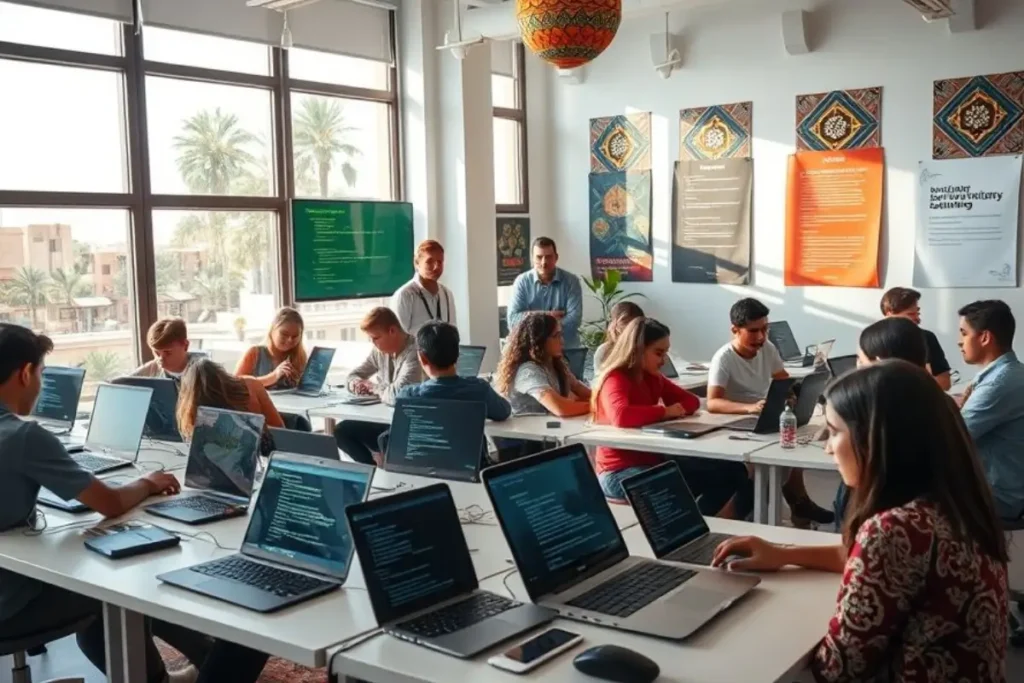
Morocco has a young demographic profile, with over 60% of the population under 35. Universities and technical schools produce thousands of graduates in STEM fields every year. The country has also invested in specialized institutions like coding bootcamps and AI training centers to meet rising demand.
Yet, employers frequently cite a mismatch between academic training and industry needs. While there is no shortage of junior developers, Morocco lacks experienced product managers, data scientists, and growth specialists. Another concern is brain drain: many talented graduates emigrate to Europe or North America in search of higher salaries and advanced career opportunities.
Bridging this gap requires stronger collaboration between universities, startups, and corporates to create more hands-on learning experiences and mentorship opportunities.
Policy and Regulation: Work in Progress
Morocco has made significant progress in creating a favorable environment for entrepreneurs. Tax incentives, startup-friendly company formation processes, and public-private partnerships are steps in the right direction. The government has also hinted at developing a “Startup Act”, inspired by similar frameworks in Tunisia and Senegal, to formalize support mechanisms.
However, challenges remain:
- Public procurement is still slow and favors established companies over startups.
- Data governance rules are evolving but lack clarity, which can hinder fintech and health-tech innovation.
- Labor regulations make flexible hiring more complex for early-stage ventures.
For Morocco to unleash its full potential, regulation must become a tool for acceleration rather than an obstacle.
Infrastructure and Connectivity
No tech boom is possible without strong infrastructure. Morocco scores reasonably well in this regard:
- Internet penetration exceeds 80%, and mobile broadband is widely available.
- Data centers are growing, but capacity is still limited compared to global hubs.
- Logistics networks are robust, supporting e-commerce growth.
The main challenge lies in last-mile connectivity in rural areas, where internet access is less reliable and digital literacy remains low. If Morocco wants inclusive growth, expanding rural access will be essential.
Sectors with High Potential
1. Fintech
Digital payments, mobile wallets, and remittances represent massive opportunities. With large unbanked populations in Africa and strong remittance flows, Moroccan fintech startups can innovate for both local and regional markets.
2. TravelTech
Tourism is a cornerstone of Morocco’s economy. Startups that digitize booking, experiences, and hospitality services have attracted investors and could scale internationally.
3. Gaming & Creative Tech
Government support for gaming hubs and youth creativity makes this a promising export-oriented sector. With relatively low startup costs, Moroccan talent can compete globally.
4. Automotive & Mobility Tech
Morocco is Africa’s top car manufacturer and now a magnet for EV battery investments. Startups in logistics, mobility, and automation can plug into this industrial ecosystem.
5. AgriTech
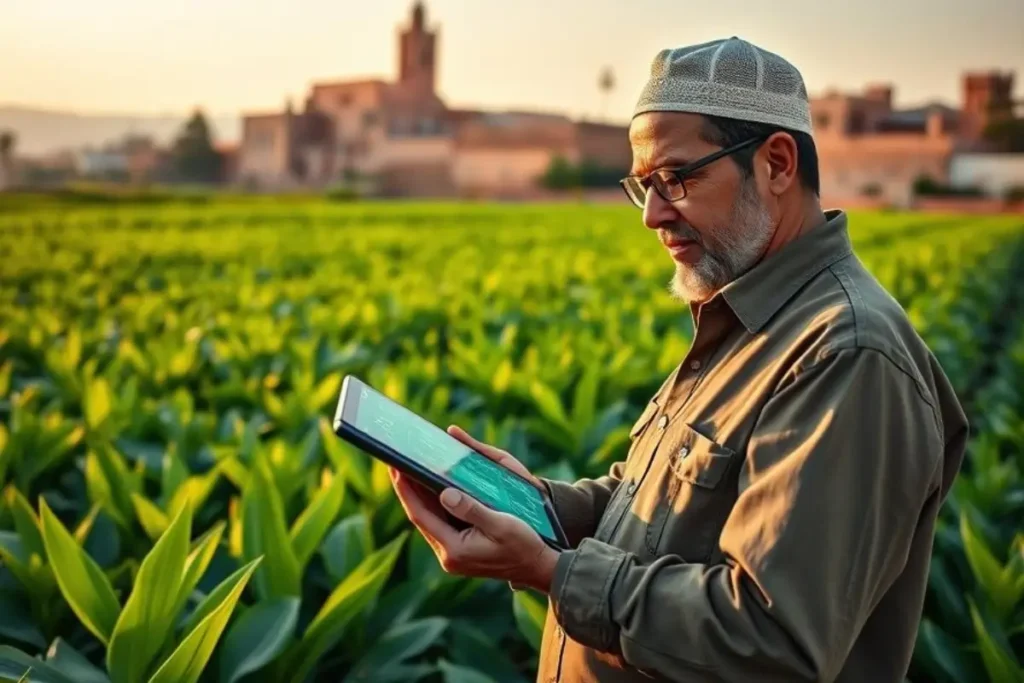
Given agriculture’s central role in Morocco’s economy, digital solutions for farm productivity, supply chains, and sustainability hold strong potential.
The Challenges Holding Morocco Back
Despite the progress, several obstacles could slow Morocco’s digital rise:
- Funding bottlenecks beyond the seed stage.
- Fragmented ecosystem with hubs and accelerators not always interconnected.
- Regulatory uncertainty in key industries like fintech and healthtech.
- Talent shortages at mid- and senior levels, worsened by emigration.
- Cultural barriers — entrepreneurship still carries risk stigma in some parts of society.
Addressing these challenges requires not only state action but also strong private-sector leadership.
Opportunities on the Horizon
If Morocco manages to align policy, capital, and talent, several opportunities could accelerate a tech boom:
- Becoming a gateway between Europe and Africa, offering startups access to two continents.
- Building digital exports in software, creative industries, and business services.
- Leveraging the Moroccan diaspora as angel investors and mentors.
- Using industrial strengths (automotive, renewable energy, agriculture) as launchpads for tech-enabled startups.
Is Morocco Ready for a Tech Boom?
So, is Morocco ready? The answer lies in nuance. Morocco has already achieved readiness at the foundation level: digital strategies, basic infrastructure, and a growing startup culture. But a true “boom” — defined as exponential growth in startup creation, scaling, and global competitiveness — requires:
- More late-stage funding to help startups grow beyond national borders.
- Clearer regulation that encourages innovation.
- Upskilling talent and reducing brain drain.
- Cultural shifts that normalize entrepreneurship as a career.
In other words, Morocco is on the runway — but still accelerating before takeoff.
Conclusion
The digital economy offers Morocco a historic opportunity. With the right policies, investment, and cultural momentum, the country could position itself as a Mediterranean gateway for African technology and innovation.
Morocco has made impressive strides in building the foundations of a startup ecosystem: from government-backed digital strategies to the rise of incubators, accelerators, and early-stage investment. Yet challenges remain in capital depth, talent retention, and regulatory clarity.
Ultimately, Morocco may not be a “tech boom” story just yet, but it is a tech growth story with enormous potential. If current momentum continues, the coming decade could mark Morocco’s transformation from a promising player into a continental leader in digital innovation.
Frequently Asked Questions
What is Morocco’s digital economy?
Morocco’s digital economy refers to all technology-driven activities, including e-commerce, fintech, digital platforms, SaaS, and online services. It is supported by government strategies like Morocco Digital 2025, which aim to integrate digital tools into administration, business, and education.
Why is Morocco investing in startups?
Startups are a major driver of job creation, innovation, and global competitiveness. Morocco sees entrepreneurship as a way to diversify beyond traditional industries like agriculture and tourism, positioning itself as a bridge between Europe and Africa.
Which sectors show the most promise in Morocco’s tech ecosystem?
High-potential sectors include fintech (digital payments, remittances), travel tech (tourism platforms), edtech (digital learning), AgriTech (smart farming), and AI-driven solutions such as drones and analytics.
What role does the Moroccan diaspora play in the startup ecosystem?
The Moroccan diaspora contributes by investing in local startups, mentoring founders, and transferring knowledge from established global tech markets. Engaging the diaspora is seen as a key step in strengthening Morocco’s digital economy.
How can entrepreneurs start a business in Morocco?
Entrepreneurs can launch businesses through hubs like Technopark, apply to accelerators such as 212 Founders, and register companies via simplified online platforms supported by government reforms. Programs are being developed to make it easier for young founders to enter the market.