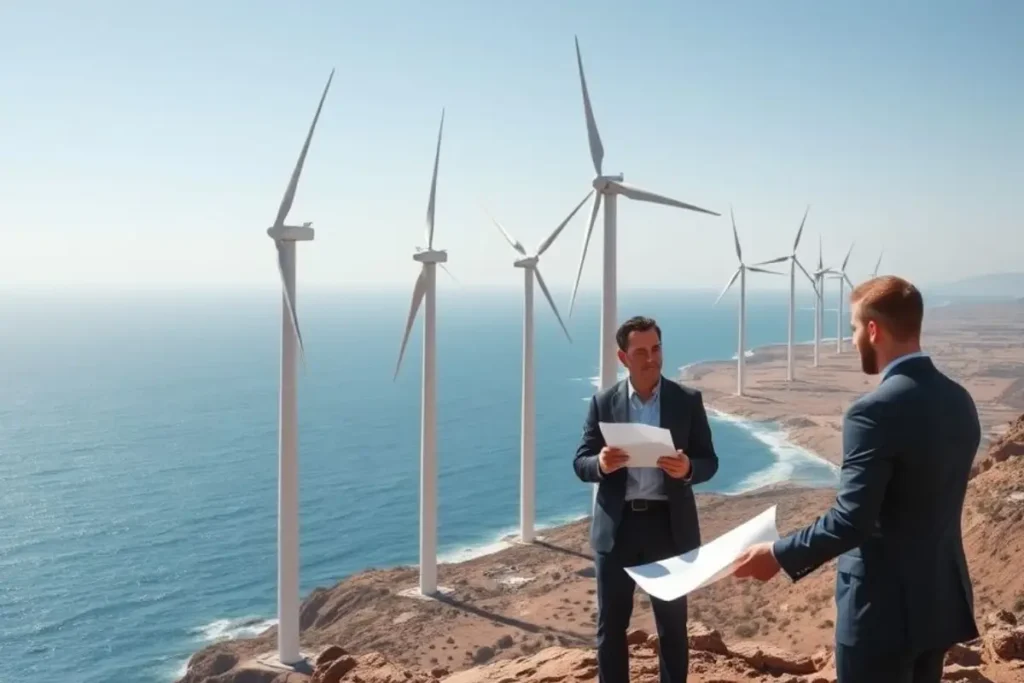
Renewable Energy Investment in Morocco is gaining significant attention as Morocco, a country located at the crossroads of Africa and Europe, emerges as one of the most promising destinations for clean energy investments. With its ambitious renewable energy goals, strategic geographic location, and government incentives, Morocco offers a wealth of opportunities for investors in solar, wind, and other renewable energy sectors. This article provides a detailed overview of the renewable energy market in Morocco, highlighting key investment opportunities, major renewable energy projects, and the regulatory environment that makes Morocco a prime location for green energy investments.
Table of Contents
Why Invest in Renewable Energy in Morocco?
Morocco has set ambitious goals for increasing its share of renewable energy in the national grid, aiming to generate 52% of its energy from renewables by 2030. The country’s vast natural resources, favorable geographical location, and supportive government policies make it an attractive destination for investors looking to capitalize on the global transition toward sustainable energy.
a. Strategic Location and Market Access
Morocco is strategically located at the intersection of Africa and Europe, making it an ideal hub for renewable energy development. The country benefits from strong solar radiation and consistent wind patterns, making it a hotspot for solar and wind power generation. Additionally, Morocco’s close proximity to Europe allows for the potential export of renewable energy to European countries, which are increasingly relying on clean energy sources.
b. Strong Government Support and Incentives
The Moroccan government has committed significant resources to the development of renewable energy. It has created a range of incentives, such as tax breaks, subsidies, and preferential tariffs, aimed at attracting foreign investment in the renewable energy sector. The Moroccan Agency for Sustainable Energy (Masen) plays a pivotal role in managing renewable energy projects and offering a range of financial mechanisms to attract investors.
c. Growing Energy Demand and Sustainability Goals
Morocco’s energy demand is growing rapidly, driven by urbanization, industrialization, and population growth. To meet this demand and reduce dependency on imported fossil fuels, Morocco is investing heavily in renewable energy projects. The country’s focus on achieving energy independence and reducing carbon emissions makes it an attractive market for long-term investments in clean energy technologies.
Renewable Energy Projects in Morocco
Over the past decade, Morocco has become a leader in renewable energy development, with large-scale projects across solar, wind, and hydropower sectors. Below are some of the most notable renewable energy projects in Morocco:
a. Solar Power: The Ouarzazate Solar Complex
The Ouarzazate Solar Complex, also known as Noor, is one of the largest concentrated solar power (CSP) plants in the world and a symbol of Morocco’s commitment to renewable energy. The complex, located in the Sahara Desert, covers over 3,000 hectares and has an installed capacity of 580 MW, enough to power over 1 million homes.
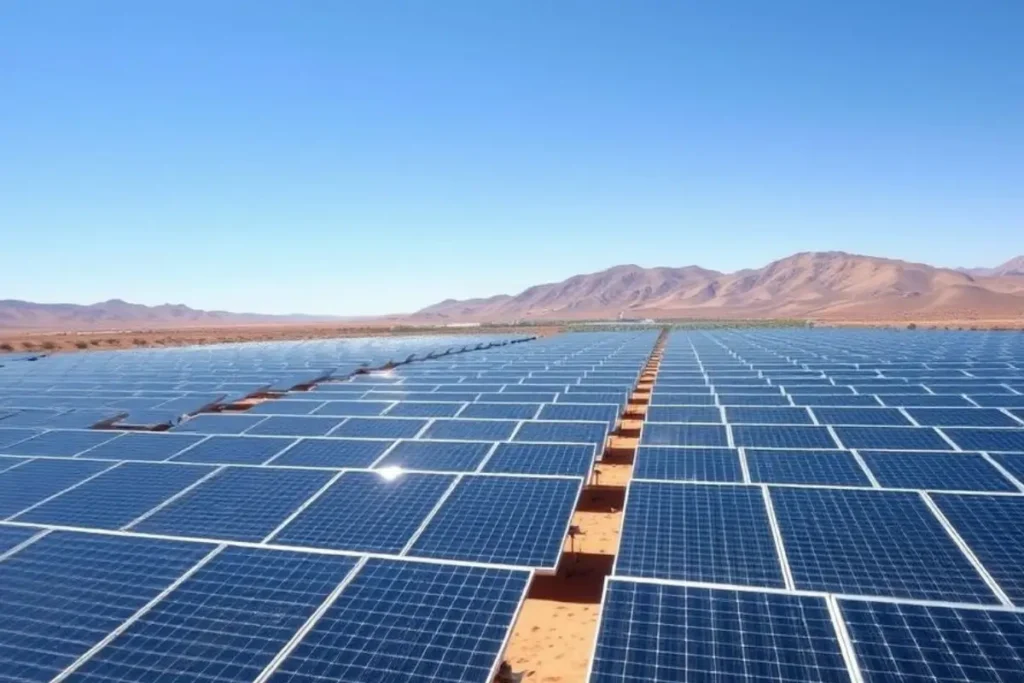
Noor consists of multiple phases, with the most recent additions incorporating advanced CSP technology, which allows for energy storage and provides a stable energy supply even during nighttime. The project has received significant investments from international companies, including ACWA Power and Saudi Arabia’s ACWA, highlighting the appeal of Morocco’s renewable energy market to global investors.
b. Wind Power: The Tarfaya Wind Farm
Morocco’s wind energy sector is equally impressive, with the Tarfaya Wind Farm standing out as one of Africa’s largest onshore wind farms. The farm, with a total capacity of 301 MW, is located along the coast, where the winds are ideal for power generation. This wind farm supplies energy to more than 1 million people and serves as a prime example of Morocco’s potential in wind energy generation.
In addition to Tarfaya, Morocco has several other wind projects in development, particularly in regions such as Jbel Tichka and Essaouira. The country’s wind energy potential is expected to grow exponentially in the coming years, making it a major player in the global wind energy market.
c. Hydropower Projects
While hydropower does not have the same prominence as solar and wind in Morocco, it still plays a crucial role in the country’s energy mix. The Al Wahda Dam, located on the Oum Er-Rbia River, has an installed capacity of 133 MW and provides a significant portion of Morocco’s electricity.
Moreover, Morocco is investing in pumped storage systems, which help balance energy generated by intermittent renewable sources like wind and solar. These systems store energy during off-peak periods and release it when demand is high, ensuring a stable and reliable energy supply.
d. Green Hydrogen Projects
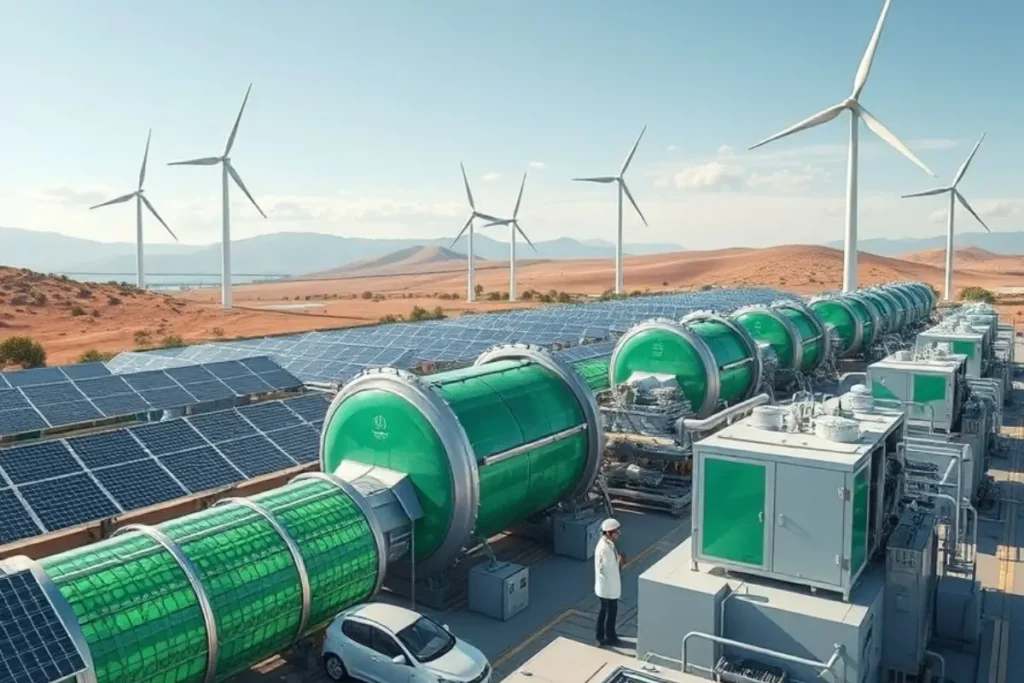
In addition to its established solar and wind energy sectors, Morocco is positioning itself as a leader in green hydrogen production. The country has significant potential for producing green hydrogen due to its abundant solar and wind resources. The Moroccan government has launched several green hydrogen initiatives, including the Green Hydrogen Program, which aims to make Morocco a global leader in green hydrogen production and exportation.
The Dakhla Atlantic Wind Farm project, which is expected to generate up to 1 GW of energy, is poised to play a significant role in green hydrogen production. Once operational, the project will supply electricity to the electrolysis process used in hydrogen production, enabling Morocco to export green hydrogen to Europe.
Investment Opportunities in Morocco’s Renewable Energy Sector
Morocco offers numerous investment opportunities for individuals and companies interested in the renewable energy sector. Below are some key areas where investors can capitalize on the country’s renewable energy boom:
a. Government Incentives and Financial Support
The Moroccan government offers several incentives to attract foreign investment in the renewable energy sector. These include:
- Tax exemptions: Investors in renewable energy projects are eligible for tax exemptions on certain equipment and materials.
- Subsidies: There are direct subsidies available for renewable energy projects, particularly for solar and wind farms.
- Public-private partnerships (PPP): Morocco encourages collaboration between public and private sectors, providing a platform for large-scale renewable energy projects to be developed and financed.
- Preferential tariffs: The government offers favorable feed-in tariffs for renewable energy producers, ensuring that investors can achieve a good return on their investments.
b. Return on Investment (ROI)
Investing in renewable energy in Morocco offers attractive returns. The country’s abundant natural resources, government support, and increasing energy demand make it a profitable destination for investors. According to industry reports, renewable energy projects in Morocco, particularly solar and wind, can yield an annual ROI of 8%-12%, depending on the scale and location of the project.
Additionally, Morocco’s commitment to achieving energy independence and meeting its climate goals ensures that the renewable energy sector will continue to grow, providing stable, long-term returns for investors.
c. Sector-Specific Investment Opportunities
- Solar Energy: Investors can explore opportunities in both large-scale photovoltaic (PV) projects and concentrated solar power (CSP) plants. With Morocco’s high solar radiation levels, projects like the Noor Solar Complex provide lucrative prospects for solar power investments.
- Wind Energy: The Moroccan government has set a target to generate 14,000 MW of wind power by 2030, creating numerous opportunities for wind farm development across the country.
- Energy Storage: As renewable energy generation increases, so does the need for energy storage systems. Investors can look into opportunities related to battery storage and pumped hydro storage, which are essential for balancing supply and demand in Morocco’s energy grid.
- Green Hydrogen: Morocco’s green hydrogen market is poised to grow, with plans to become a key player in the European hydrogen export market. Investors can capitalize on this emerging sector by partnering with companies involved in electrolysis, storage, and transportation of green hydrogen.
d. Public-Private Partnerships (PPP)
Public-private partnerships (PPP) have been a key feature of Morocco’s renewable energy strategy. The government has successfully engaged private companies to co-develop renewable energy projects. For example, the Ouarzazate Solar Complex was developed as a PPP between Masen and international private investors, including ACWA Power.
Investors can participate in these PPPs by partnering with Moroccan state agencies or foreign entities involved in developing renewable energy infrastructure. These partnerships offer investors access to government-backed guarantees and ensure long-term financial stability for projects.
Regulatory and Policy Environment
Morocco’s renewable energy sector is supported by a strong regulatory framework designed to attract foreign investment and promote the transition to clean energy. Below are some key aspects of the regulatory environment:
a. National Energy Strategy
Morocco’s National Energy Strategy aims to diversify the country’s energy sources and reduce its reliance on fossil fuels. The strategy includes ambitious renewable energy targets, such as generating 52% of the country’s electricity from renewable sources by 2030. This strategy provides a stable and predictable regulatory environment for investors.
b. Renewable Energy Law
The Moroccan Renewable Energy Law (Law No. 13-09) provides a clear legal framework for renewable energy projects in Morocco. The law offers significant incentives, including:
- Tax exemptions for renewable energy equipment.
- Guaranteed power purchase agreements (PPAs) for renewable energy producers.
- Easier permitting processes for renewable energy projects.
Conclusion
Morocco offers substantial opportunities for renewable energy investment. With strong renewable resource potential, ambitious policy goals, and growing international financial support, the country is well positioned to become a hub for both domestic renewable power and exportable green commodities like hydrogen derivatives. The challenges—whether infrastructure, regulation, or environmental impact—are nontrivial, but many are foreseeable and manageable with appropriate planning.
For investors, the path to successful ventures will likely be through carefully chosen project types (solar, wind, hybrid, hydrogen), in favorable locations, with strong off‑take or export arrangements, and leveraging available incentives. For Morocco, the continued evolution of regulatory clarity, investment in grid and storage infrastructure, along with local supply chain development, will be key to sustaining momentum.
For more information on Morocco’s renewable energy strategy and upcoming projects, visit the Moroccan Agency for Sustainable Energy (MASEN)
Renewable Energy Investment in Morocco – FAQ
Why is Morocco a good place to invest in renewable energy?
Morocco offers a unique combination of strong solar and wind resources, stable energy policies, and government-backed incentives. The country has set ambitious targets—aiming for 52% of installed capacity from renewables by 2030—and is actively seeking foreign investment in solar, wind, and green hydrogen sectors.
What types of renewable energy projects are available in Morocco?
Investors can explore:
– Utility-scale solar farms (e.g., Noor Solar Complex in Ouarzazate)
– Large wind farms (e.g., Tarfaya Wind Farm)
– Green hydrogen projects and derivatives like ammonia or synthetic fuels
– Hybrid projects that combine solar, wind, and storage technologies
– Distributed solar systems for commercial or industrial users
How profitable are renewable energy projects in Morocco?
Returns depend on the project type and structure. For well-sited solar or wind farms, IRRs (Internal Rates of Return) can range between 8%–12%+. Green hydrogen and ammonia projects offer potentially higher returns but carry greater upfront costs and market uncertainties.
What is the Morocco Green Hydrogen Strategy?
Launched as part of the “Morocco Offer”, this strategy includes:
– Allocation of 1 million hectares for green hydrogen development
– Selection of 7 pilot projects with up to 20 GW of renewable capacity
– Incentives for derivative production (ammonia, synthetic fuels)
– Plans to make Morocco a key exporter of green hydrogen to Europe
Which regions in Morocco are best for renewable energy projects?
The most promising areas include:
– Southern Morocco: Guelmim-Oued Noun, Dakhla-Oued Eddahab, Laayoune-Sakia El Hamra – ideal for solar and hydrogen
– Coastal zones: Great for wind due to consistent wind speeds
– Ouarzazate: Already home to large-scale solar development
What’s the outlook for renewable energy in Morocco by 2030?
The outlook is highly positive. By 2030, Morocco aims to:
– Achieve over 50% renewable energy capacity
– Become a regional hub for green hydrogen and energy exports
– Attract billions in foreign investment across the clean energy value chain
– Develop export corridors for ammonia and hydrogen to Europe
– Expand its grid, storage, and local clean-tech manufacturing